
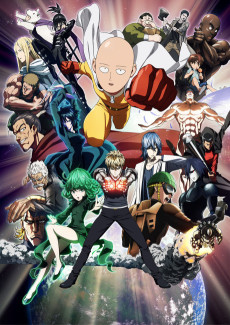
One-Punch Man
Overview
Released during the highly competitive fall season of 2015, One-Punch Man quickly established itself as a monumental release in modern animation. Produced by the legendary animation studio MADHOUSE, this 12-episode series holds a prestigious status in the global database with an impressive rating of 83. Classified under the genres of Action, Comedy, Sci-Fi, and Supernatural, the project was adapted from a highly acclaimed source material: a popular digital MANGA. Now registered with a status of FINISHED, the series remains an essential subject of study for historians and critics alike, representing a golden standard for how modern superhero narratives can be subverted through brilliant satire and stellar production values.
As an editorial team at OniDex, we look back at this 2015 masterpiece to analyze its narrative structure, its thematic depth, and the immaculate production pipeline that allowed it to capture the attention of millions worldwide. By examining the unique circumstances of its creation, its subversion of traditional action storytelling, and its enduring legacy, we can understand why this adaptation continues to be a cornerstone of modern pop culture discussions.
Story Summary
The narrative of One-Punch Man revolves around Saitama, an ordinary-looking man who pursues a rather peculiar hobby: being a superhero. In a world constantly plagued by bizarre monsters, malevolent entities, and catastrophic disasters, heroes are desperately needed. Saitama possesses unimaginable, god-like physical abilities, having trained himself to the point of absolute physical perfection. However, this unmatched power has cast a dark, suffocating shadow over his daily existence. He has become far too powerful, resulting in an anti-climactic reality where every single opponent he faces—no matter how monstrous, ancient, or highly evolved—is defeated with a single, effortless punch.
This complete lack of challenge has stripped all excitement from Saitama’s life, driving him into a profound state of apathy and existential boredom. He watches the days pass by with empty eyes, having lost all the thrill, fear, and enthusiasm that once defined his heroic pursuits. His existence is a monotonous routine of grocery shopping, household chores, and occasionally obliterating city-threatening monsters without breaking a sweat or receiving any recognition.
This mundane, melancholic routine is abruptly disrupted when Saitama is unwillingly thrust into the role of a mentor. He crosses paths with Genos, a young, hyper-serious, and intensely driven cyborg who is fueled by a burning desire for vengeance. After witnessing Saitama’s casual, incomprehensible strength firsthand, Genos becomes obsessed with learning the secret behind his power. Despite Saitama’s reluctance to take on a student—largely because his “training regimen” is ridiculously simple and his wisdom is practically non-existent—Genos forces himself into Saitama’s life as a live-in disciple. This unexpected partnership sets off a chain of events that forces Saitama out of his domestic isolation and deeper into the organized world of professional heroism.
Main Characters
The narrative success of the series rests heavily on the brilliant dynamic between its two central characters, whose contrasting personalities, designs, and motivations drive both the action and the comedy of the show.
- Saitama: The protagonist of the series. Visually, Saitama is designed to look remarkably plain compared to the highly detailed monsters and heroes around him. He is bald, has simple, round eyes, and wears a bright yellow jumpsuit with a plain white cape and red gloves. This simplistic design is a deliberate stylistic choice that reflects his emotional state: blank, unbothered, and completely detached from the high-stakes drama of his world. Despite his immense, terrifying power, Saitama cares more about missing a weekly supermarket sale than saving his own reputation. He is a hero simply because he wants to be, making his struggle deeply internal as he searches for a worthy opponent who can make him feel alive again.
- Genos: A 19-year-old cyborg who serves as Saitama’s self-appointed disciple. In stark contrast to his master, Genos is exceptionally detailed, featuring a complex, mechanical body filled with advanced weaponry, glowing energy cores, and a sleek, modern aesthetic. Genos is incredibly serious, formal, and driven by a tragic past that fuels his quest for ultimate strength and revenge. He views Saitama as a profound, enlightened master, constantly analyzing Saitama’s mundane habits and casual remarks as if they were sacred philosophical teachings. This stark contrast between Genos’s intense, dramatic worldview and Saitama’s lazy, practical attitude forms the comedic and emotional backbone of the series.
Episode Information
With an episode count of exactly 12 episodes, the series stands as a masterclass in narrative pacing and concise storytelling. Rather than stretching its premise over hundreds of chapters, the 12-episode format allows the production team to deliver a highly focused, visual spectacle that never loses momentum. Each episode is structured to build upon the previous one, gradually expanding the scope of Saitama’s world from localized neighborhood threats to global, world-ending catastrophes.
The limited episode run ensures that there is absolutely no room for filler material. Every minute of screen time is utilized to either develop the relationship between Saitama and Genos, introduce the broader bureaucratic infrastructure of the hero society, or showcase some of the most fluidly animated battle sequences in the history of the medium. Because the status of this specific season is FINISHED, it functions as a self-contained, highly satisfying arc that perfectly captures the essence of the source manga, leaving a lasting impact on the viewer without overstaying its welcome.
Genres and Themes
The series masterfully navigates a unique blend of genres, fusing Action, Comedy, Sci-Fi, and Supernatural elements into a cohesive and incredibly entertaining package. Each genre is not simply included for variety, but is woven directly into the thematic fabric of the story.
The Action and Supernatural genres provide the necessary stakes and visual grandeur. The world is filled with supernatural threats, monstrous mutations, and ancient beings that possess unfathomable destructive capabilities. This setup allows for high-octane battles that keep viewers on the edge of their seats. However, the series immediately subverts these action tropes through its brilliant Comedy. The humor arises from the anti-climactic resolution of these grand battles; the most terrifying, monologue-spewing supernatural villains are ultimately treated as minor inconveniences by Saitama, who is often more concerned about his dinner plans or a annoying bug flying around his room.
The Sci-Fi elements are primarily represented through Genos and the advanced technological marvels of the world, highlighting the contrast between cold, calculated mechanical power and Saitama’s inexplicable, raw human strength. This leads directly into the core themes of the series:
- The Existential Weight of Success: The story explores what happens when a person actually achieves their ultimate goal. Saitama sought to become the strongest hero, but in doing so, he eliminated the journey, the struggle, and the personal growth that made the pursuit meaningful. His absolute power has resulted in absolute isolation and boredom.
- The True Nature of Heroism: Throughout his journey, Saitama is contrasted with other individuals who seek fame, ranking, and public adoration. Despite being unappreciated and often misunderstood by the public, Saitama remains dedicated to his hobby, demonstrating that true heroism is not about recognition, but about doing the right thing simply because it is right.
- The Teacher-Student Dynamic: The relationship between Genos and Saitama explores the concept of mentorship. While Saitama has no actual technical knowledge to offer Genos, his simple, grounded approach to life inadvertently teaches the hyper-focused cyborg valuable lessons about humanity, patience, and the limits of purely seeking destructive power.
Production and Studio
The phenomenal success of this 2015 adaptation cannot be discussed without highlighting the exceptional work of MADHOUSE. Known historically as one of the most prestigious and innovative animation studios in the industry, MADHOUSE has built a legendary reputation for taking challenging, highly stylized source material and translating it into cinematic masterpieces. Their portfolio is filled with critically acclaimed projects, and their involvement in this adaptation immediately raised expectations to an all-time high.
The production of the series became a historic event in the animation community. Rather than relying solely on massive budgets, the project succeeded due to the incredible talent pool of animators, directors, and artists assembled by the studio. The team utilized highly dynamic camera movements, hand-drawn effects, variable line weights, and expressive character designs to bring the detailed panels of the MANGA to life. The action sequences are characterized by their sense of weight, momentum, and impact, capturing the sheer destructive force of Saitama’s punches and the intricate, mechanical fluidity of Genos’s fire attacks. MADHOUSE managed to balance these intense visual sequences with simple, cartoony expressions for Saitama’s comedic moments, creating a visual rhythm that perfectly matches the tonal shifts of the story.
Reception and Popularity
Upon its release in 2015, the series became an instant global phenomenon, transcending the boundaries of traditional anime fandom to capture the attention of mainstream international audiences. Its impressive rating of 83 on major database platforms reflects a nearly universal critical acclaim that has endured for years after its initial broadcast.
Critics praised the show for its brilliant pacing, its fresh and satirical take on the superhero genre, and its staggering production values. The cultural impact of the series was immense; the image of Saitama’s simple, deadpan face became an iconic internet meme, while the concept of the “One-Punch” became a widely recognized shorthand for overwhelming, hilarious power in global pop culture. It successfully appealed to casual viewers who enjoyed the comedy and high-stakes action, as well as seasoned enthusiasts who appreciated the subtle deconstruction of classic narrative tropes and the sheer artistry of MADHOUSE’s animation team.
Why Fans Love This Anime
There are several key factors that explain why the series has maintained such a passionate and dedicated fanbase since 2015:
- The Subversive and Deadpan Humor: The series consistently subverts expectations. When a villain spends minutes explaining their complex, tragic backstory and immense power, Saitama’s simple, annoyed response of “keep it to twenty words or less” never fails to deliver a laugh. The humor is grounded, relatable, and perfectly timed.
- Unparalleled Action Choreography: Even though the audience knows Saitama will win with a single blow, the journey to that punch is visually breathtaking. The battles featuring Genos and other supernatural entities are animated with a level of detail, speed, and creative choreography that remains unmatched in the television medium.
- A Relatable Protagonist in an Extraordinary World: Despite his god-like physical prowess, Saitama’s internal struggles are incredibly human. He worries about bills, misses his favorite television shows, struggles with social isolation, and feels the stagnation of mundane life. This makes him an incredibly endearing and sympathetic lead character.
- The Dynamic Chemistry of the Leads: The pairing of the overly dramatic, hyper-analytical Genos with the lazy, simple-minded Saitama creates endless comedic gold and genuine moments of character development that keep audiences emotionally invested in their journey.
Final Thoughts
In retrospect, the 2015 adaptation of One-Punch Man stands as a landmark achievement in modern television animation. By taking a simple, seemingly one-note premise and elevating it with profound existential themes, brilliant comedic timing, and world-class animation from MADHOUSE, the series secured its place in history. With its status now FINISHED, this 12-episode run remains a perfect, highly rewatchable masterpiece that continues to earn its exceptional rating of 83. Whether you are looking for mind-bending action, genuine laughs, or a thoughtful commentary on the nature of ambition and heroism, this series remains an absolute must-watch for anyone interested in the pinnacle of visual storytelling.